How Regular Grease Trap Cleaning Reduces Kitchen Blockages and Ensures Compliance


A oil lure is just a plumbing unit mounted in commercial kitchens to capture fats, oils, and fat (FOG) before they enter the drainage system. Without correct maintenance, these elements acquire and cause serious obstructions, causing expensive fixes and detailed downtime. In accordance with business studies, over 60% of grease trap cleaning (rasvapüüduri puhastus) dilemmas are connected to unmanaged FOG.

How usually should fat traps be cleaned?
The frequency of cleaning is dependent upon kitchen measurement and quantity, but most industrial kitchens take advantage of quarterly inspections and cleaning. Restaurants with high-volume procedures might require regular service. Statistics reveal that regular cleaning reduces congestion incidents by as much as 75%, increasing over all detailed efficiency.
What are the effects of neglecting grease capture maintenance?
Overlooking cleaning contributes to blocked drains, nasty smells, slow water flow, and possible health hazards. Blockages may cost businesses an average of $3,000–$5,000 per episode in emergency repairs. Additionally, non-compliance with regional wellness and environmental regulations can lead to fines all the way to $1,500 per violation.
How can oil capture washing keep conformity?
Health sectors and regional authorities often need proof of standard oil lure maintenance. Consistent cleaning guarantees your home meets environmental and security standards. Firms adhering to maintenance schedules report 40% less conformity problems in comparison to individuals with unusual cleaning.
May qualified fat lure washing improve operational effectiveness?
Yes. Precisely preserved oil barriers prevent gradual pipes and unexpected plumbing disruptions, enabling kitchens to operate smoothly. Study suggests that kitchens with qualified maintenance schedules knowledge 50% less functional interruptions due to plumbing issues.
What practices are used in professional grease capture washing?
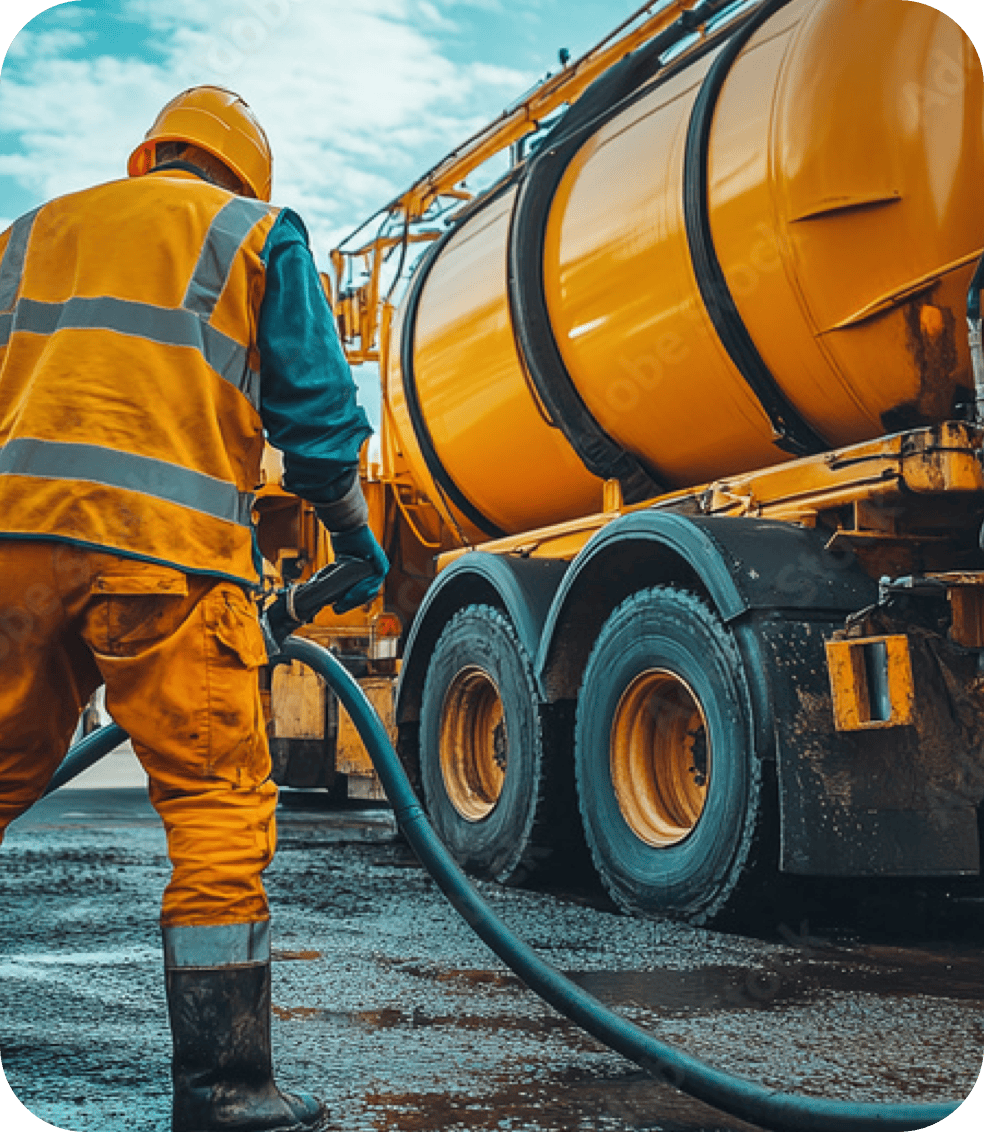
Qualified washing includes handbook elimination of accumulated FOG, stress washing, and correct disposal according to environmental guidelines. Advanced techniques may possibly contain examination cameras to discover concealed blockages. Using qualified services ensures safe and efficient washing while lowering liability risks.
Exist cost advantages to standard oil capture preservation?
Absolutely. Preventive preservation decreases the likelihood of costly crisis plumbing repairs. A examine of mid-sized industrial kitchens revealed that standard grease trap cleaning preserves on average $2,000 annually per place by reducing blockages and sustaining compliance.
So how exactly does fat capture cleaning help sustainability?
Proper disposal of fats, oils, and fat prevents environmental pollution and protects municipal water systems. Corporations practicing normal preservation donate to eco-friendly procedures, aiming with modern sustainability standards.
May I handle fat trap cleaning in-house?
While modest preservation is achievable, skilled companies are advised for complete cleaning. Specialists ensure submission with regional rules, appropriate removal, and complete treatment of buildup that might trigger potential blockages.
What's the bottom line?
Regular oil lure washing is not really a submission requirement—it is a proper stage to stop costly obstructions, assure smooth operations, and uphold wellness and environmental standards. Businesses investing in planned maintenance report larger efficiency, paid down dangers, and long-term charge savings.